

Industry Pain Points Project Background
Zambia’s regional power infrastructure is insufficient, with prominent power supply scarcity and frequent grid outages, voltage fluctuations and load shedding issues in industrial parks. The unstable power environment has formed a core bottleneck restricting industrial operation: continuous production of manufacturing enterprises cannot be guaranteed, equipment loss and production shutdown losses increase, and the investment attraction and industrial aggregation capacity of the park are severely limited, dragging down the overall regional industrial economic development.
Core Technical Solution
Adopt a hybrid microgrid optimal dispatching architecture to realize complementary operation of multiple energy sources, with intelligent energy management system (EMS) as the core to optimize power distribution:
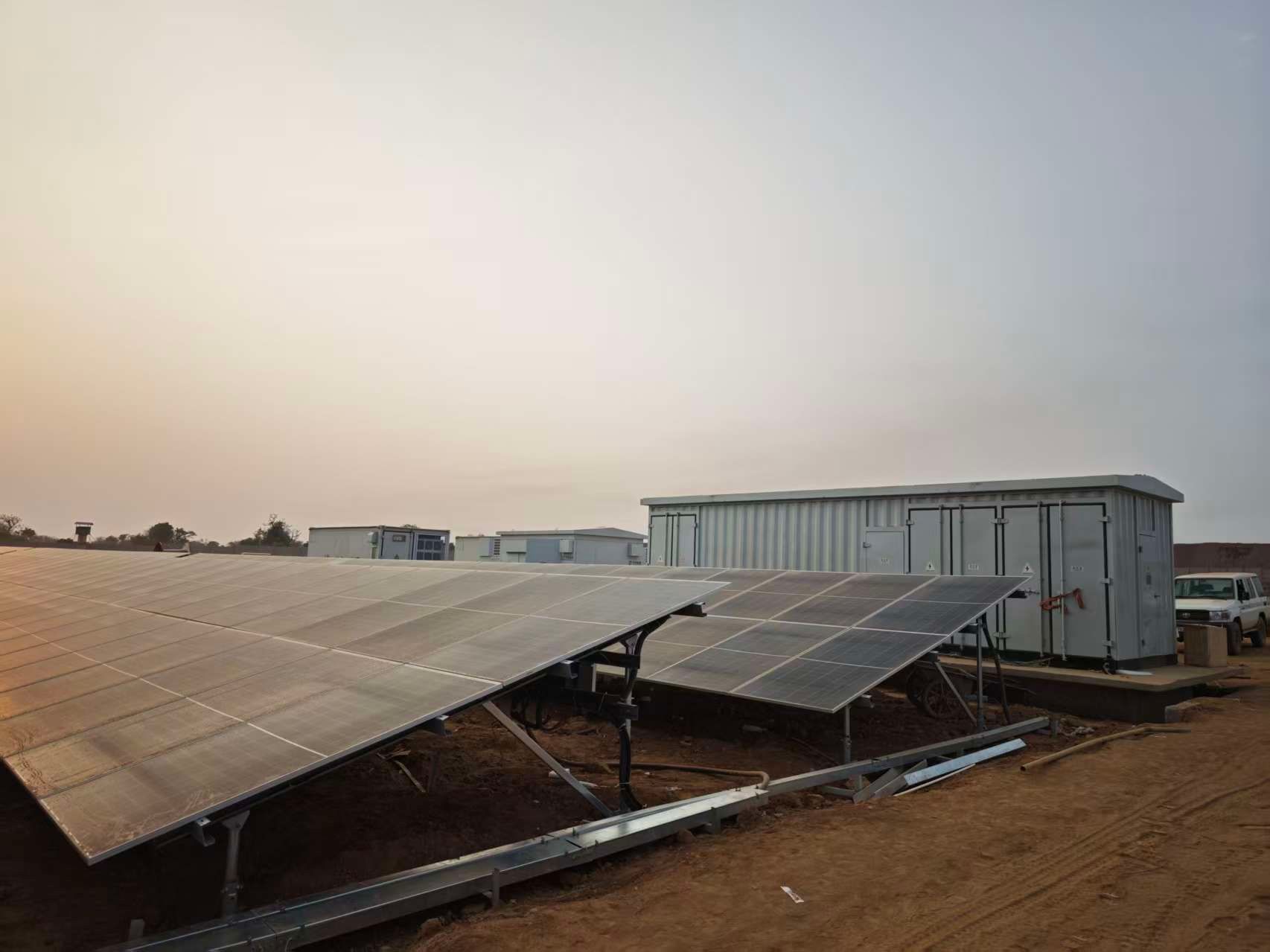
PV Power Generation System: Utilize local abundant solar energy resources to undertake basic industrial load and provide clean renewable power.
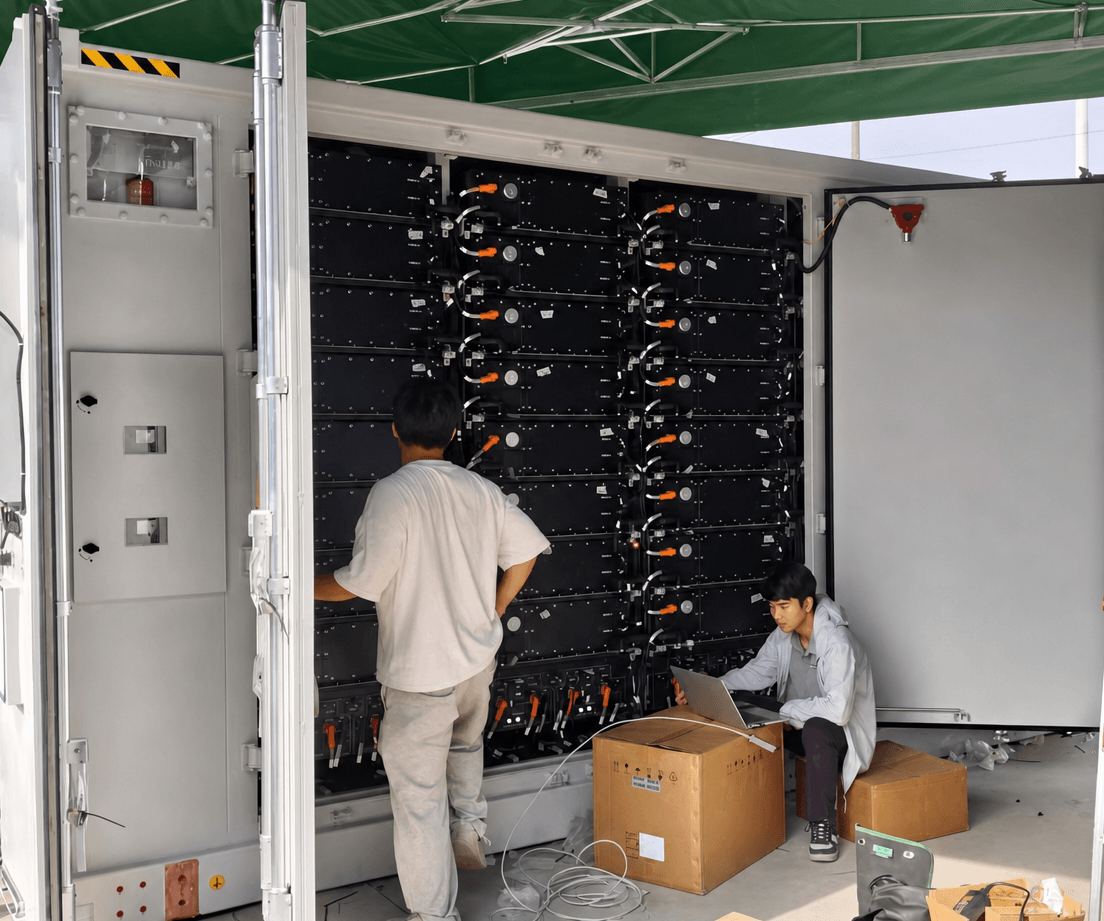
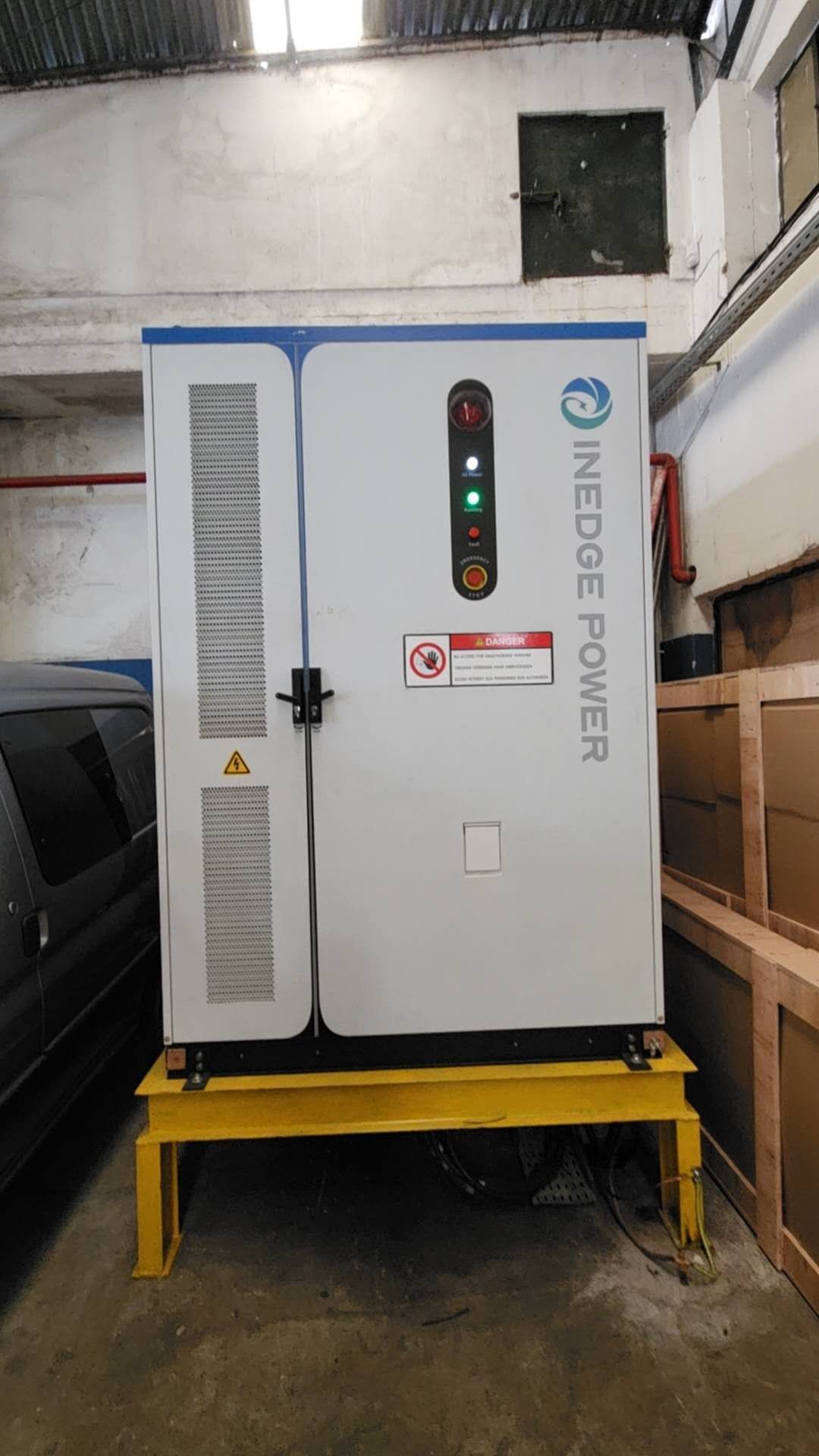
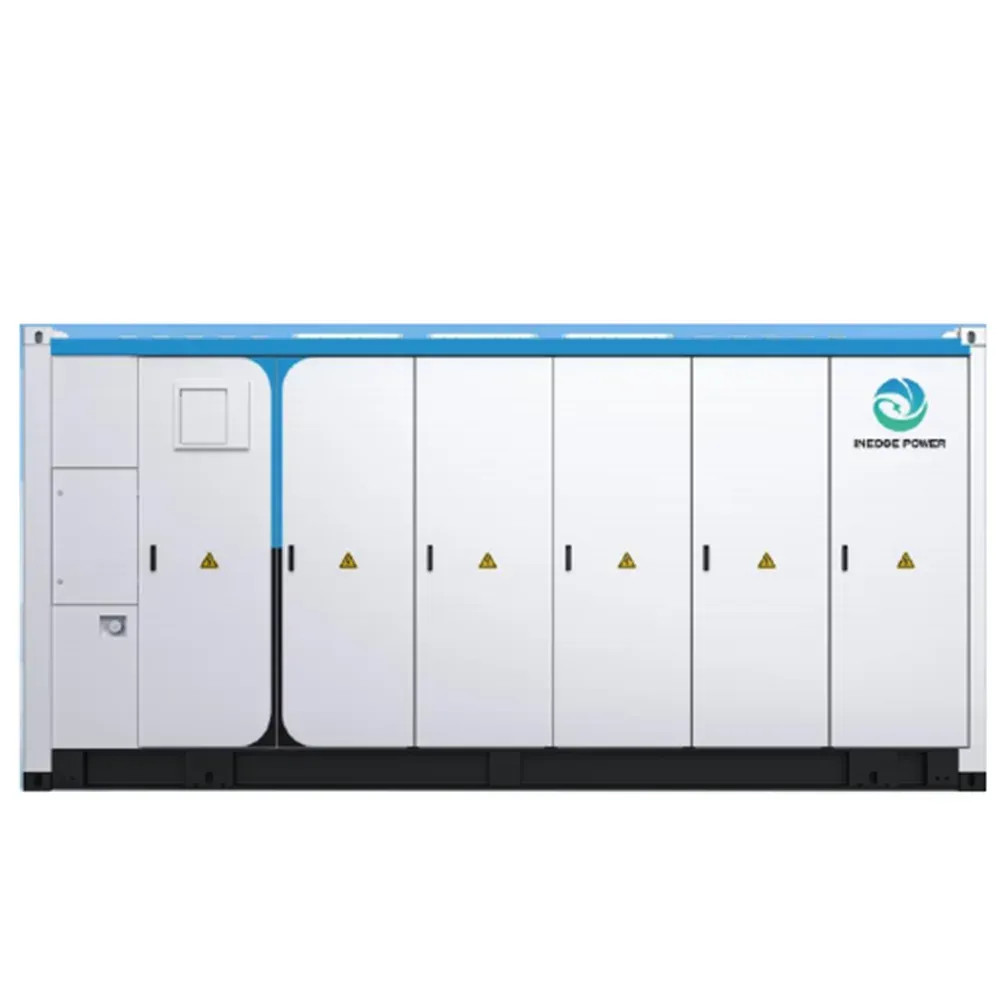
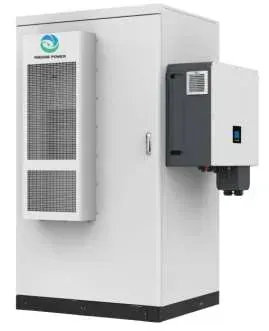
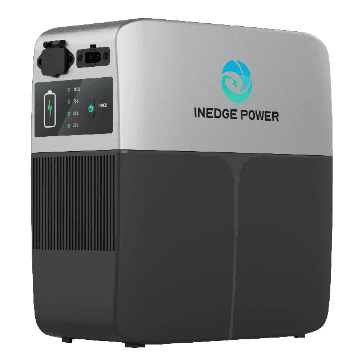
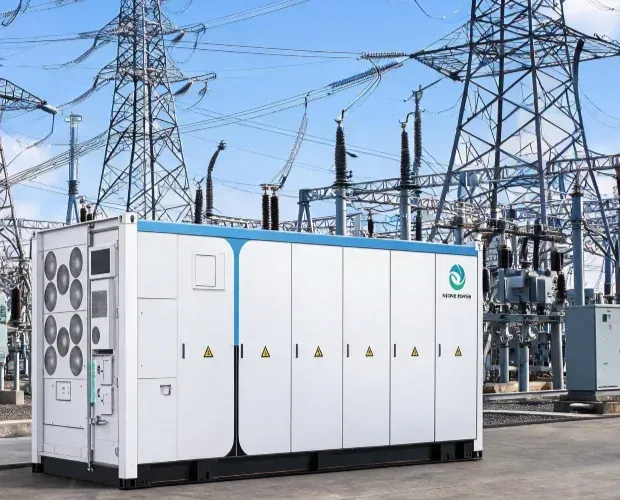
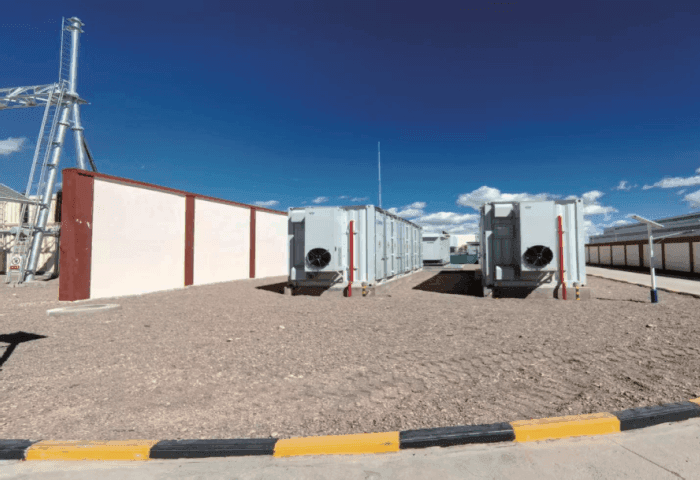
BESS Energy Storage System: Realize peak shaving and valley filling, smooth photovoltaic power fluctuation, suppress grid voltage and frequency deviation, store surplus photovoltaic power, and solve the intermittency and randomness of new energy generation.
Diesel Backup Power System: Serve as emergency standby and peak load supplementary power supply, effectively guarantee the power supply continuity under extreme working conditions such as insufficient photovoltaic power generation and low battery SOC.
Project Operational Advantages
High Power Supply Reliability: Eliminate industrial production shutdown risks caused by grid power failure, realize 24-hour stable power supply for industrial loads, and greatly improve production continuity.
Energy Consumption Cost Optimization: Replace high-cost full diesel power generation with photovoltaic energy storage priority power supply mode, effectively reduce diesel fuel consumption and comprehensive energy operation cost of the park.
Intelligent Energy Dispatching: The EMS system automatically identifies load demand and energy supply status, realizes autonomous switching and collaborative operation of multiple energy sources, and improves overall energy utilization efficiency.
Economic & Environmental Value
Economic Benefits: The project completely solves the power supply bottleneck of the industrial park, stabilizes enterprise production operation, enhances the park’s industrial carrying capacity and investment attraction, drives local industrial chain development and employment growth, and injects sustainable impetus into Zambia’s regional industrial economy.
Environmental Benefits: Maximize the penetration rate of clean photovoltaic power, reduce the power generation proportion of diesel units, cut fossil energy consumption and carbon, nitrogen and pollutant emissions, and realize low-carbon and green development of regional industrial energy.